



 Back to list

"Black gum bugs" can parasitize animal cells and can also survive in culture medium, living on nutrients from cells and the medium, and are passaged along with cells. It can be seen that "black gum bugs" are a type of heterotroph. What should we do when contamination with black gum bugs occurs in our cell culture?
Here are a few handling suggestions. Let's learn about them together!
Use better serum, which can effectively reduce the formation of "small black dots." Generally, serum should not be heat-inactivated. Why?
Because properly handled heat-inactivated serum is unnecessary for most cells. Serum treated this way only slightly promotes cell growth, or has no effect at all, and often the high-temperature treatment affects the quality of the serum, causing a decrease in cell growth rate.

Moreover, heat-inactivated serum significantly increases the formation of precipitates. Under an inverted microscope, these precipitates look like "small black dots," which often leads researchers to mistakenly believe that the serum has been contaminated. Placing the serum in a 37°C environment will further increase these precipitates, making researchers mistakenly believe it is microbial division and proliferation. Heat inactivation is only recommended when doing immunological research or culturing stem cells, insect cells, and smooth muscle cells. Therefore, unless performing immunological research or culturing stem cells, insect cells, and smooth muscle cells, serum should preferably not be heat-inactivated.
If they are adherent cells, wash several times with sterile PBS, which can alleviate it to some extent. If they are suspension cells, it is not easy to handle; you can add a small amount of feeder cells. Adding feeder cells is very effective for newly revived cells with black gum bugs! Also, pay attention to the experimental environment and maintain the cleanliness of the entire cell room environment. If the cells are not very precious, primaquine, sulfonamide, tetracycline, and berenil can be used; washing with gentamicin at 500 ug/ml has also been suggested.
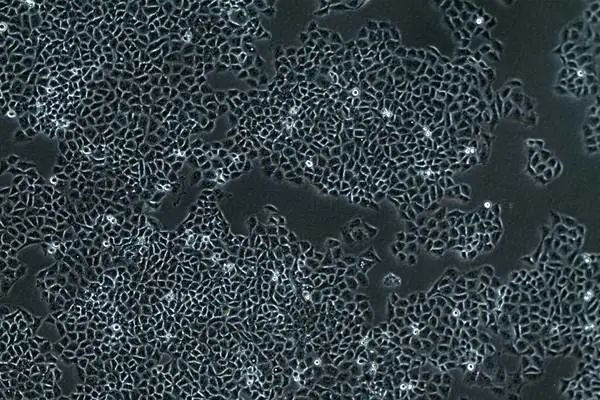
Replace with good disposable cell culture flask
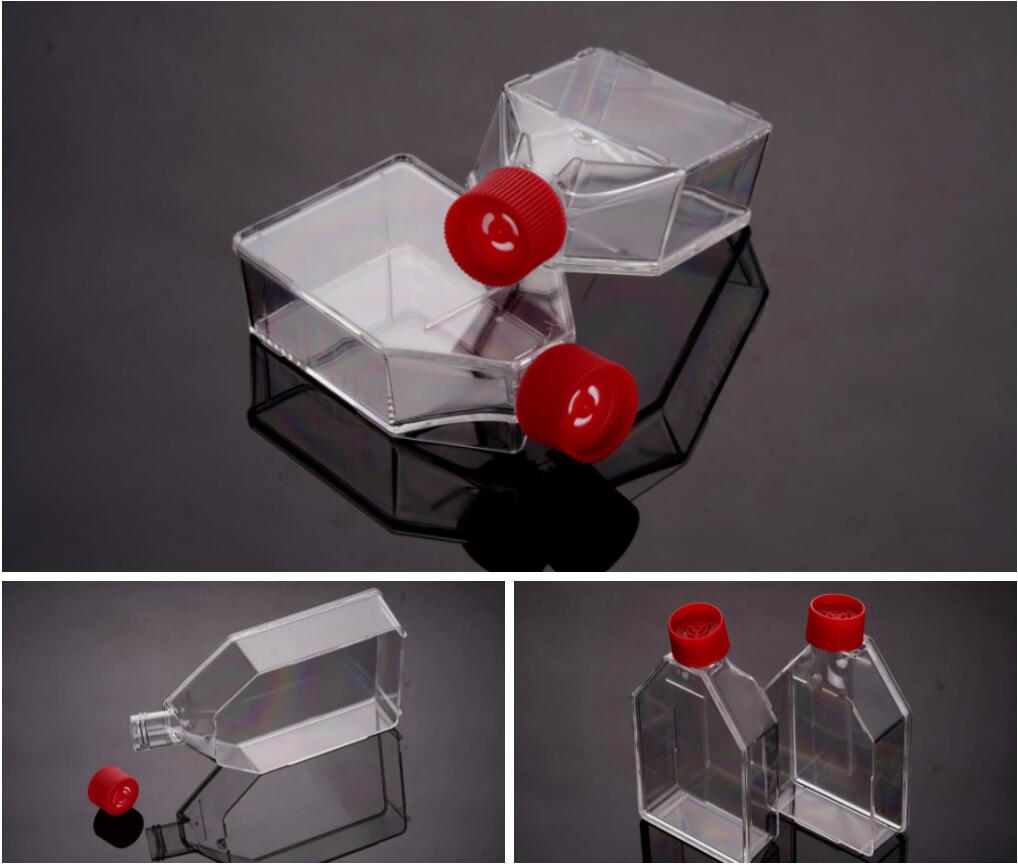
Cellpro Cell Culture Flask T25 T75 T175